Drip Client Headshot Settings: Dialling In the Drag
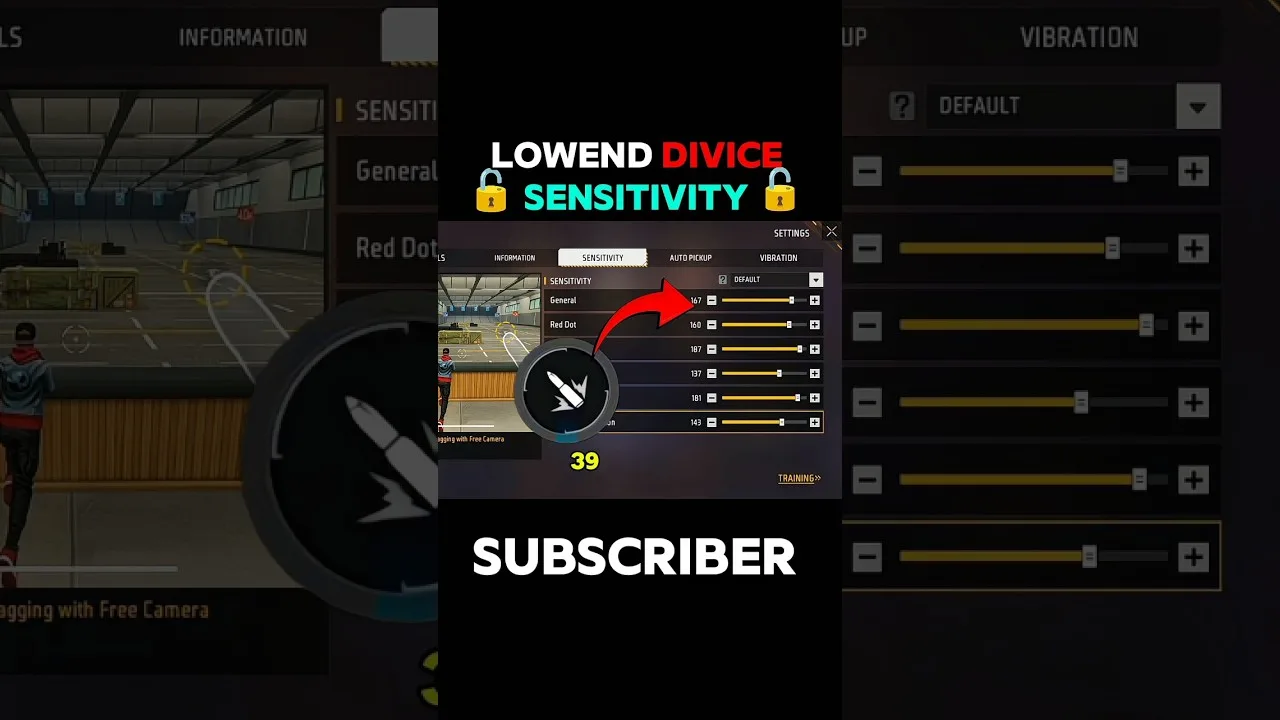
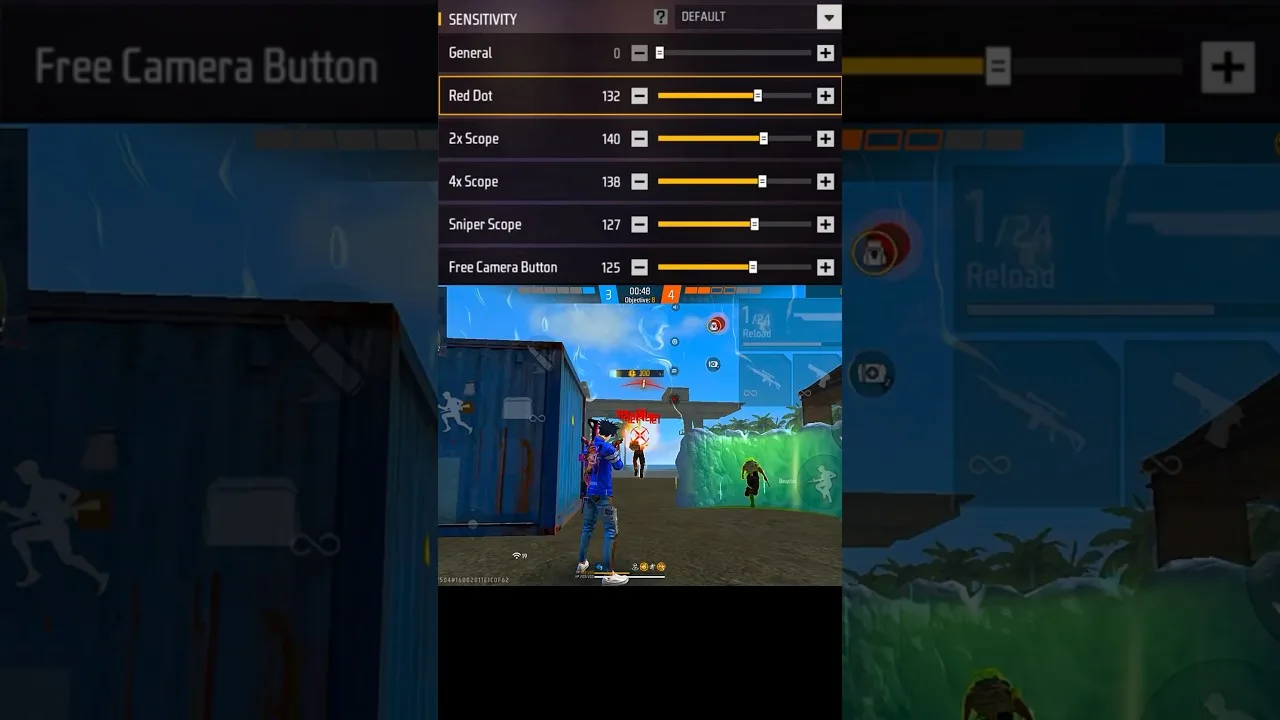
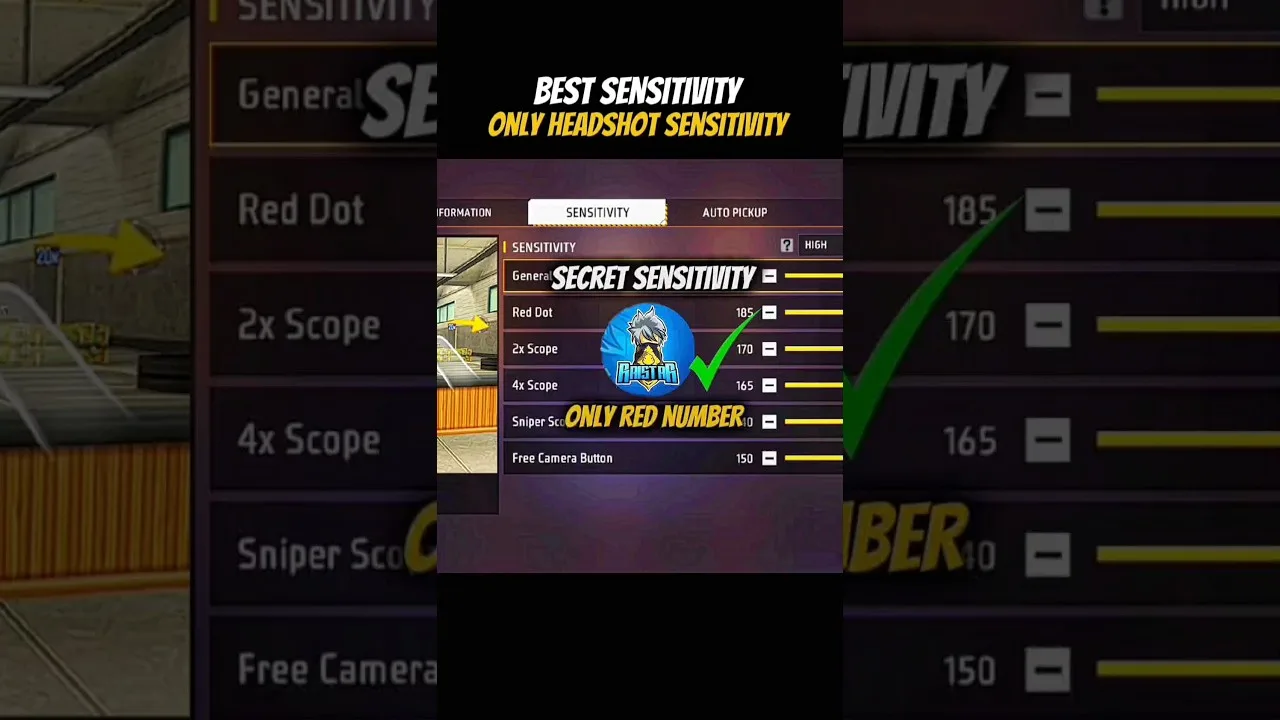
The drag headshot — fire, one upward motion, crosshair climbing from chest to head as the rounds land — is the defining close-range play, and its feel is manufactured by two settings working as a pair inside Drip Client headshot setup: general sensitivity, which drives the motion, and red dot sensitivity, which governs it inside the sight. This guide fits that pair to your phone and your thumb, then hands you the drill that turns a fitted setup into a repeatable skill.
Settings arrange the conditions. Nobody's slider ever landed a headshot by itself, and this guide will not pretend otherwise.
The Partnership: General and Red Dot
General sensitivity owns the drag's raw travel — hip-fire movement and the swipe's base speed. Red dot owns the same motion under aim, where deliberate drags live. Tune them in that order, because the second is judged against the feel of the first.
Scopes are bystanders here; leave them for their own session. The full division of labour across all six sliders is mapped in our sliders explained guide, including why tuning scopes first is effort spent polishing the wrong tool.
Measure the Swipe You Actually Make
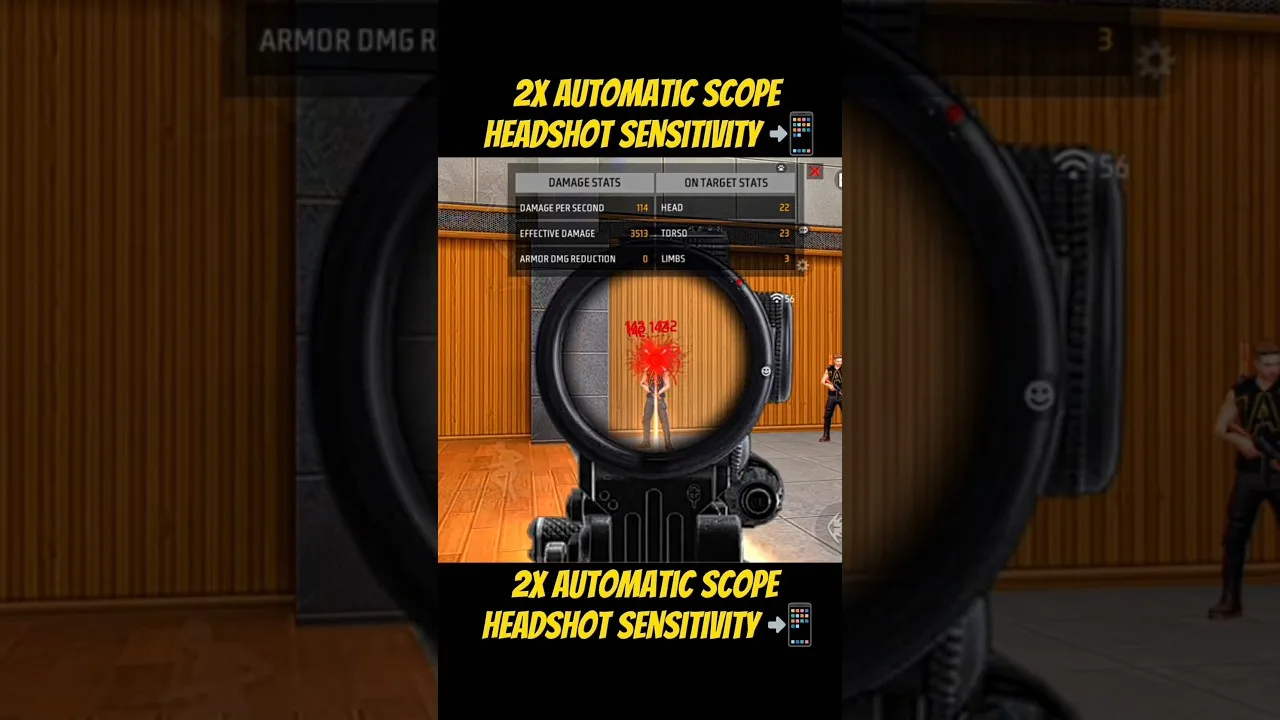
Stand in training at an honest fight distance and throw your natural drag — the motion your thumb chooses when you do not supervise it. Read the result like data: crosshair expiring at the neck calls the governing value up a few points; sailing past the head calls it down.
Twenty repetitions per verdict, because single attempts are anecdotes. Then repeat at close range: a real setup is the negotiated settlement between the two distances, and knowing you chose the compromise consciously beats discovering it mid-fight.
Why Hardware Rewrites Your Friend's Numbers
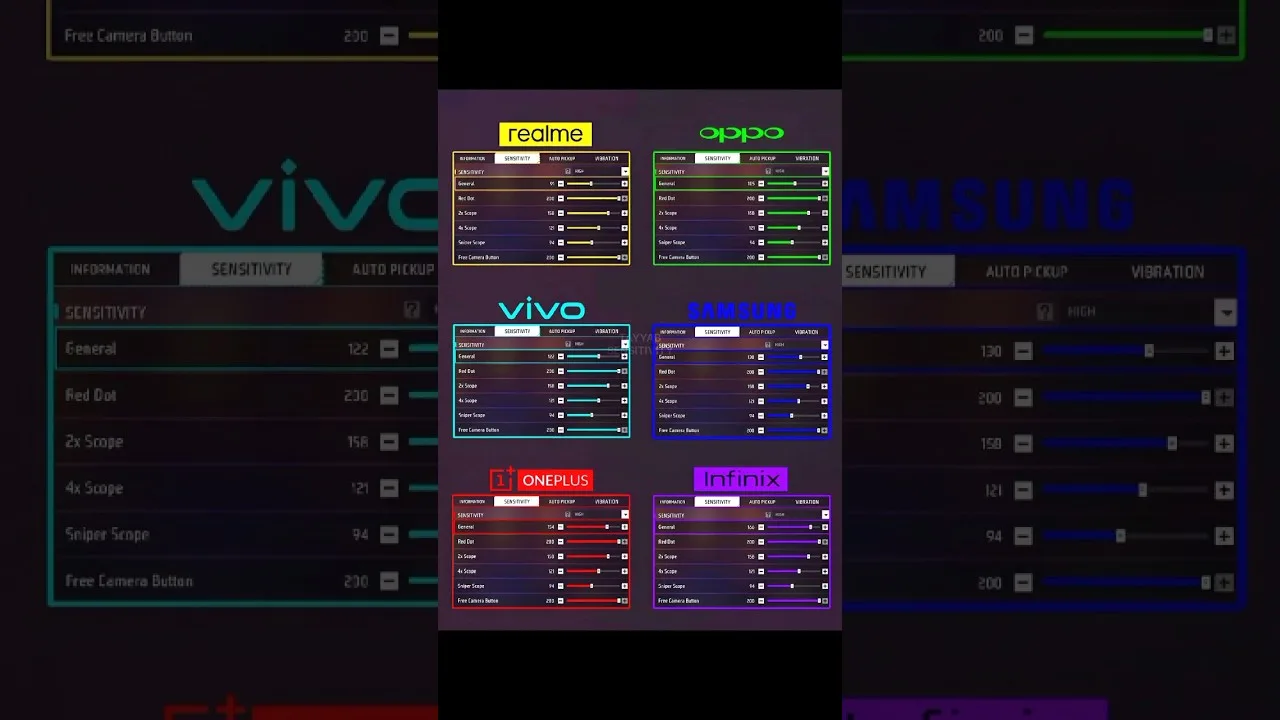
The same values drag differently across devices — screen dimensions stretch or compress the physical swipe, and DPI changes the ruler the system measures with. A setup that prints headshots on a large handset can be genuinely unusable on a compact one, at identical numbers, for purely geometric reasons.
Change phones and you carry the method and the slider relationships, then recalibrate the level. Our phone size and DPI guide provides the checklist; budget an afternoon, not a month.
The Drill That Converts
Ten minutes, one distance, one target, twenty drags, score written down. Counted practice isolates aim from everything matches mix into it — loot, zones, nerves — and aim is the variable you are actually training.
Chart the score daily. When it rises and holds across three separate days, setup and skill have met, and the headshot stops being an event and becomes a rate. The full drill library, including tracking and scope sets, is our training testing guide.
Final Thoughts
Fit the pair to your natural swipe at two distances, respect the hardware arithmetic, and practise in counted sets. Headshots become statistics — and statistics, unlike luck, can be deliberately improved.